


Introduction
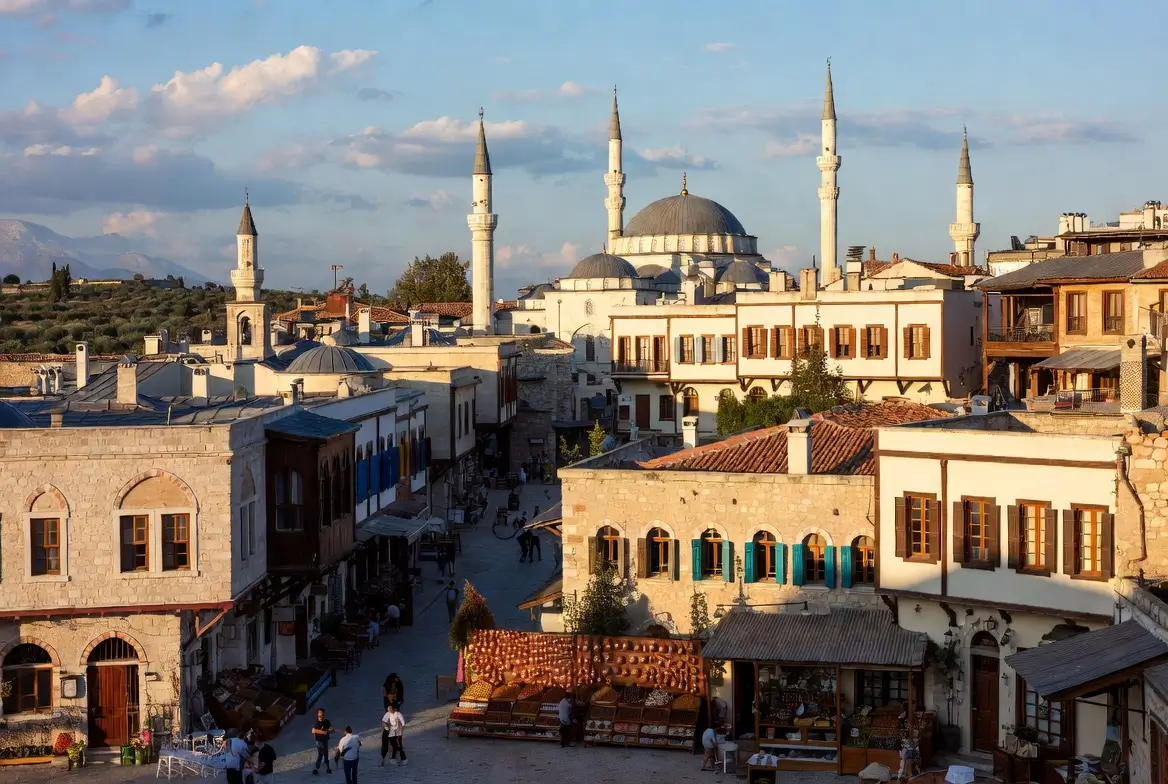
Turkey is one of the most geographically, culturally, and historically layered countries on the planet. It sits at the junction of Europe and Asia, hosts the remains of at least twelve distinct civilizations, and encompasses landscapes ranging from volcanic plains and salt lakes to subtropical coasts and alpine meadows — all within a single national border.
And yet, the majority of international visitors see only a narrow slice of this country: Istanbul’s historic peninsula, the coastal resorts of Antalya and Bodrum, and perhaps Cappadocia. What lies beyond these corridors is largely unknown to foreign travelers — and that is precisely where niche travel begins.
This guide has been written for travelers who are not satisfied with the surface. It is for those who want to walk through a 2,000-year-old underground city without a tour group, eat a breakfast assembled entirely from a single village’s production, attend a whirling ceremony that is not a tourist performance, and sleep in a stone house older than most European nations.
Turkey rewards the traveler who comes prepared, curious, and willing to move slowly. This guide is your foundation.
Why Turkey Belongs in Niche Travel
Civilizational Depth
Few countries on earth can match Turkey’s archaeological and historical density. The Anatolian plateau was inhabited continuously for over 10,000 years. Catalhoyuk, one of the world’s first urban settlements, is located in central Turkey and dates to 7500 BCE. The Hittite Empire, the Kingdom of Lydia, the Persian satraps, the Hellenistic successor states, the Roman and Byzantine Empires, the Seljuk Sultanate, and the Ottoman Caliphate all left physical and cultural marks on this land that remain visible today.
For the historically motivated traveler, Turkey offers an unbroken narrative thread stretching across millennia. Visiting the ruins at Ephesus, the rock churches of Cappadocia, the Seljuk caravanserais of the Anatolian steppe, and the Armenian monasteries of eastern Anatolia within a single journey is an experience that no other country can replicate.
Ecological Diversity
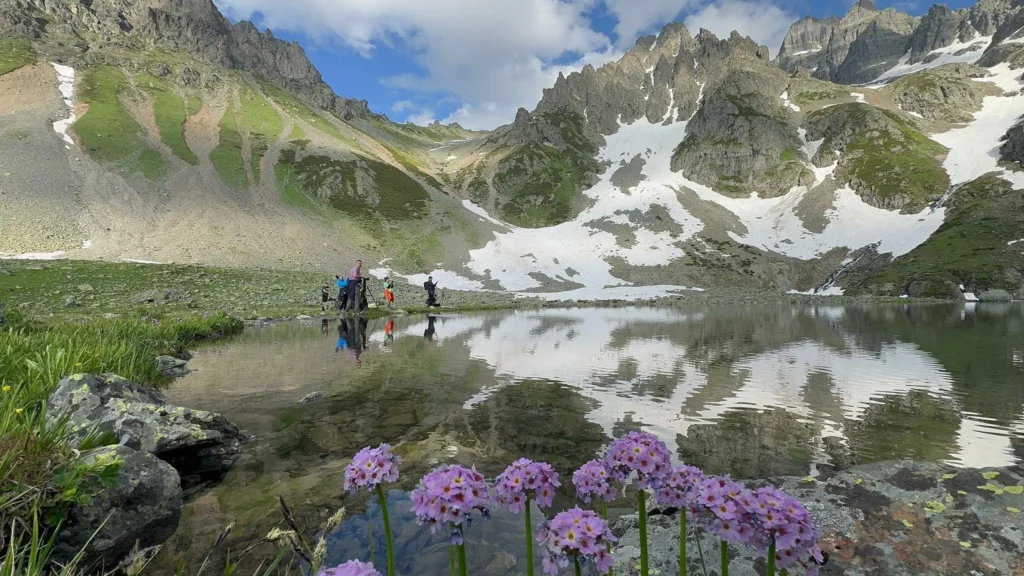
Turkey contains eight distinct terrestrial biomes. Its coastlines span the Aegean, the Mediterranean, the Black Sea, and the Sea of Marmara. The interior plateau is semi-arid steppe. The northeast is characterized by temperate deciduous forest and alpine terrain. The southeast transitions toward the Fertile Crescent and Mesopotamian lowlands.
This ecological range supports extraordinary biodiversity and provides the basis for niche experiences including birdwatching expeditions at the Kizilirmak Delta, botanical trekking in the Taurus Mountains, underwater archaeology diving in Kas, and winter wilderness travel in the Kackar range.
Living Cultural Traditions
Turkey’s cultural landscape is not merely historical. Living traditions of craft, cuisine, music, and ceremony continue to be practiced authentically across many regions. Carpet weaving in central Anatolia, copper craftsmanship in Gaziantep, ceramic production in Kutahya, and the sema ceremony of the Mevlevi order are not museum pieces. They are active, skilled traditions maintained by communities who depend on them economically and spiritually.
For the culturally motivated niche traveler, Turkey offers direct access to artisan communities, workshops, and ceremonial events that exist largely outside the tourism economy and therefore retain their integrity.
Niche Destinations Across Turkey
The following destinations have been selected for their capacity to deliver exceptional niche experiences. Each represents a Turkey that most international visitors never encounter.
| Hatay — The Multicultural Southern FrontierSouthern Anatolia, Hatay Province |
| Type: Cultural, Historical, Culinary, Religious Best Season: October to April Duration: 4 to 7 days Price Level: Affordable (USD 40 to 80 per day) |
| Hatay occupies a unique position in both geography and culture. Administered as part of the French Mandate of Syria until 1939, the province retains a cultural distinctiveness from the rest of Turkey that is immediately perceptible. Its population includes Arab Alawites, Arab Sunnis, Turkish speakers, Armenian Christians, Greek Orthodox communities, and a small Jewish congregation — one of the most genuinely diverse provinces in the entire country.Antioch, the ancient city whose ruins underlie modern Antakya, was among the most important cities of the early Christian world, the third city of the Roman Empire, and a center of Syriac and Byzantine ecclesiastical culture. The Antakya Archaeological Museum houses a Roman mosaic collection rivaling Gaziantep in quality. The city’s cuisine is considered distinct even by Turkish culinary standards, with dishes such as oruk, hummus made from boiled rather than tinned chickpeas, and a broad range of Arab-influenced mezze that reflect the province’s Syrian cultural heritage. The Church of Saint Peter, carved into a cliff face on the outskirts of the city, is considered among the oldest Christian places of worship in the world and remains a site of active pilgrimage. |
| Eskisehir — Meerschaum Craft and University CultureCentral Anatolia, Eskisehir Province |
| Type: Cultural, Craft, Slow Travel Best Season: Year-round (Spring and Autumn preferred) Duration: 2 to 4 days Price Level: Affordable (USD 35 to 70 per day) |
| Eskisehir is one of Turkey’s most underrated cities for niche travelers seeking the intersection of living craft tradition and contemporary urban culture. The city is the world’s primary source of meerschaum, a hydrous magnesium silicate mineral uniquely suited to pipe and sculpture carving. Meerschaum workshops in the city allow visitors to observe carvers at work and, in some cases, attempt supervised carving sessions under guidance.The Porsuk River runs through the city center and its banks have been developed into a series of canal districts, cafe streets, and pedestrian corridors that give Eskisehir a European character unusual in Anatolian cities. The city hosts two major universities and has a young, engaged population that sustains a genuine cultural scene including theater, independent cinema, and ceramics. The nearby Phrygian Valley, containing rock-cut Phrygian monuments including the facade of the Midas Monument dating to the 8th century BCE, is rarely visited and can be explored in a half-day excursion with a private vehicle. |
Niche Experience Categories in Turkey
Underground Cities and Cave Archaeology
Cappadocia’s underground cities at Derinkuyu and Kaymakli are well documented, but the region contains over 200 subterranean settlements of varying size and accessibility. Several can only be entered with a specialist archaeologist guide, are not signposted, and receive no tourist traffic. Connecting with the Nevsehir Archaeological Museum to arrange access to off-circuit sites is a viable approach for serious travelers.
Beyond Cappadocia, the rock-cut churches of the Peristrema Valley, the cave monasteries of Guzelyurt, and the underground granaries of the Hatay region all represent archaeological niche experiences that reward dedicated research and local guide relationships.
Whirling Ceremony and Sufi Traditions
The Mevlevi Order, founded in Konya by the followers of Jalaluddin Rumi in the 13th century, practices the sema — a meditative ceremony involving structured movement, music, and prayer — as a genuine spiritual discipline, not a performance. Authentic sema ceremonies take place in Konya on specific dates in the religious calendar and in several tekke houses across Istanbul’s historic neighborhoods.
Attending an authentic ceremony requires advance research into the Mevlevi calendar, introduction through a local cultural contact, and an understanding of appropriate conduct. The experience is categorically different from the tourist sema performances offered in Istanbul restaurants and Cappadocia hotels. Konya itself, as the city most associated with Rumi’s legacy and the home of the Mevlana Museum, warrants a minimum of three days for serious engagement.
Turkish Bath Culture and Historic Hammams
The hammam tradition in Turkey is over 600 years old and remains a living social institution in many provincial cities. The most historically significant hammams — including the Cemberlitas and Suleymaniye hammams in Istanbul, and the Tarihi Sivas hammam dating to the Seljuk period — offer an experience grounded in centuries of continuous practice.
Niche travelers should seek hammams that serve local communities rather than tourist circuits, where the experience has not been reconfigured for foreign comfort expectations. Hammams in Bursa, Edirne, Konya, and Kayseri operate primarily for local clientele and maintain the traditional sequence of heat, massage, and rest that defines the authentic form.
Carpet Weaving and Textile Traditions
Turkish carpet and kilim weaving encompasses dozens of distinct regional traditions, each with its own color palette, motif vocabulary, and technical method. The carpets of Hereke, woven with silk on silk, represent the finest tier of pile carpet production in the world and take years to complete. Village kilims from the Aegean highlands, woven in wool on wool with natural dyes, represent a completely different tradition of equal cultural significance.
Engaging with carpet culture at the niche level means visiting cooperative weaving workshops in villages such as Dobag in the Bergama region, where natural dye revival programs have operated since the 1980s, and speaking directly with weavers about the symbolic content of their patterns. It means learning to distinguish regional traditions and understanding the economics of a craft that sustains communities across multiple provinces.
Planning Your Turkey Niche Journey
Logistics Overview
Turkey is logistically accessible for the prepared traveler. The national carrier, Turkish Airlines, operates an extensive domestic network connecting Istanbul with Gaziantep, Mardin, Trabzon, Hatay, Konya, Eskisehir, and dozens of other cities. The intercity bus network is punctual, comfortable, and affordable, and covers routes that domestic flights do not. Rental vehicles are available in all major cities and are highly recommended for accessing villages, rural archaeological sites, and mountain terrain.
| Entry Requirements | Citizens of most Western countries receive e-visas online prior to arrival. Processing takes 24 to 72 hours. Always verify current requirements with the official Turkish e-visa portal 30 days before travel. |
| Currency | Turkish Lira (TRY). International ATMs are widely available in cities. Carry cash for rural markets, village accommodation, and artisan workshops, which rarely accept cards. |
| Language | Turkish is the primary language. English is spoken in Istanbul and tourist areas. Outside these zones, basic Turkish phrases significantly improve access and reception. Kurdish dialects are spoken in the southeast. |
| Health | No mandatory vaccinations for most nationalities. Hepatitis A and typhoid are recommended for travelers visiting rural areas and eating from street vendors. Tap water is generally not recommended for drinking outside major cities. |
| Connectivity | Mobile data coverage is reliable across cities and major highways. Coverage deteriorates significantly in the Kackar Mountains, remote Anatolian villages, and southeastern border regions. Download offline maps before departure. |
| Safety | Turkey is a safe destination for most niche travel experiences. The southeastern provinces bordering Syria and Iraq require current Foreign Ministry advisories to be checked before itinerary planning. Exercise standard urban precautions in large city centers. |
| Best Travel Period | Spring (April to June) and autumn (September to November) offer the most comfortable temperatures across most regions. The Kackar and mountain routes are accessible only from June to September. Southeastern sites are best visited in winter to avoid extreme heat. |
Recommended Journey Structures
Turkey is large enough to warrant thematic itinerary planning rather than geographic sweeping. The following frameworks represent proven structures for niche travel.
- Civilizational Arc (14 to 21 days): Istanbul, Bursa, Konya, Cappadocia, Mardin, Hatay. Follows the progression from Byzantine to Seljuk to Ottoman to multicultural southern Anatolia.
- Culinary Circuit (10 to 14 days): Istanbul markets, Bursa kebab culture, Gaziantep, Hatay, Sanliurfa. Among the most gastronomically dense routes in the eastern Mediterranean.
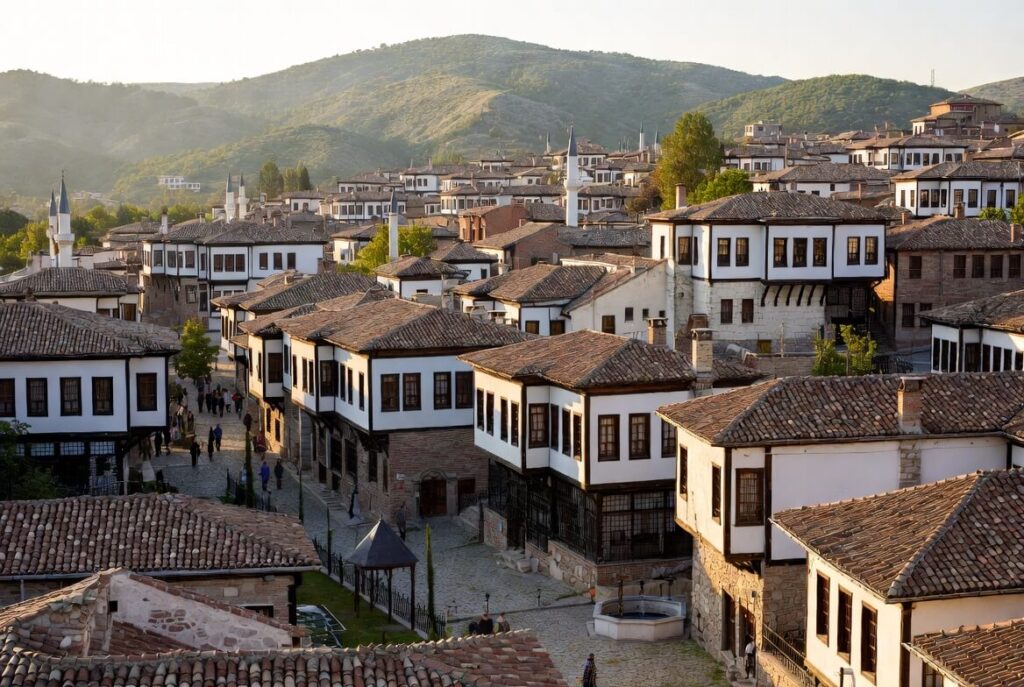
- Black Sea and Mountain (12 to 18 days): Safranbolu, Amasya, Trabzon, Rize, Kackar plateau trekking. Combines Ottoman heritage towns with the most ecologically dramatic landscape in the country.
- Eastern Anatolia Deep Dive (14 to 21 days): Kayseri, Sivas, Malatya, Diyarbakir, Mardin, Van. Requires higher logistical preparation but delivers an almost complete absence of mass tourism.
- Artisan Focus (10 to 14 days): Istanbul grand bazaar workshops, Kutahya ceramics, Eskisehir meerschaum, Hereke silk carpet looms, Bergama Dobag cooperative. For travelers whose primary interest is Turkish craft tradition.
Responsible and Ethical Travel in Turkey
Supporting Artisan Economies
Turkish craft traditions face the same pressures facing skilled handwork globally: low-cost machine reproduction, aging practitioner populations, and insufficient economic return for the time investment required. When purchasing carpets, ceramics, copper goods, or meerschaum, buying directly from verified workshop producers rather than bazaar intermediaries ensures that a substantially larger proportion of the purchase price reaches the maker.
Cooperatives such as the Dobag natural dye project and various village weaving associations in central and eastern Anatolia have built transparent supply chains that allow travelers to verify provenance and understand the labor behind the product. Choosing these channels over tourist bazaar retail is the single most impactful economic decision a craft-focused traveler can make.
Navigating Political and Cultural Sensitivity
Turkey contains regions where ethnic, religious, and political histories are complex and sometimes contested. The Kurdish southeast, the Alevi heartlands of central Anatolia, and the former Armenian communities of eastern Anatolia all carry histories that require sensitivity and prior reading before engagement. Travelers who approach these histories with curiosity and respect will find extraordinary generosity. Those who arrive with fixed political positions or provocative intent will find doors closed.
Photography at religious sites, military facilities, and in conservative rural communities requires explicit permission. In Syriac and Armenian Christian communities, where the relationship between tourism and cultural appropriation has been a point of tension, asking before photographing is both ethically required and practically wise.
Seasonal and Environmental Responsibility
The Kackar alpine meadows, Anatolian steppe ecosystems, and coastal marine environments are sensitive to visitor pressure. Trekking without a licensed guide in high-altitude terrain increases both ecological impact and personal safety risk. Coastal diving and snorkeling in protected marine areas such as the Kas-Kekova zone is regulated, and choosing operators certified by the Turkish Underwater Sports Federation ensures compliance with conservation protocols.
Turkish Food Culture for the Niche Traveler
Turkish cuisine is not a single tradition. It is an accumulation of regional food cultures that differ from one another as significantly as French and Spanish cuisine differ within Europe. The traveler who eats only doner kebab and baklava in Istanbul has encountered perhaps five percent of the country’s actual culinary range.
Regional Distinctions
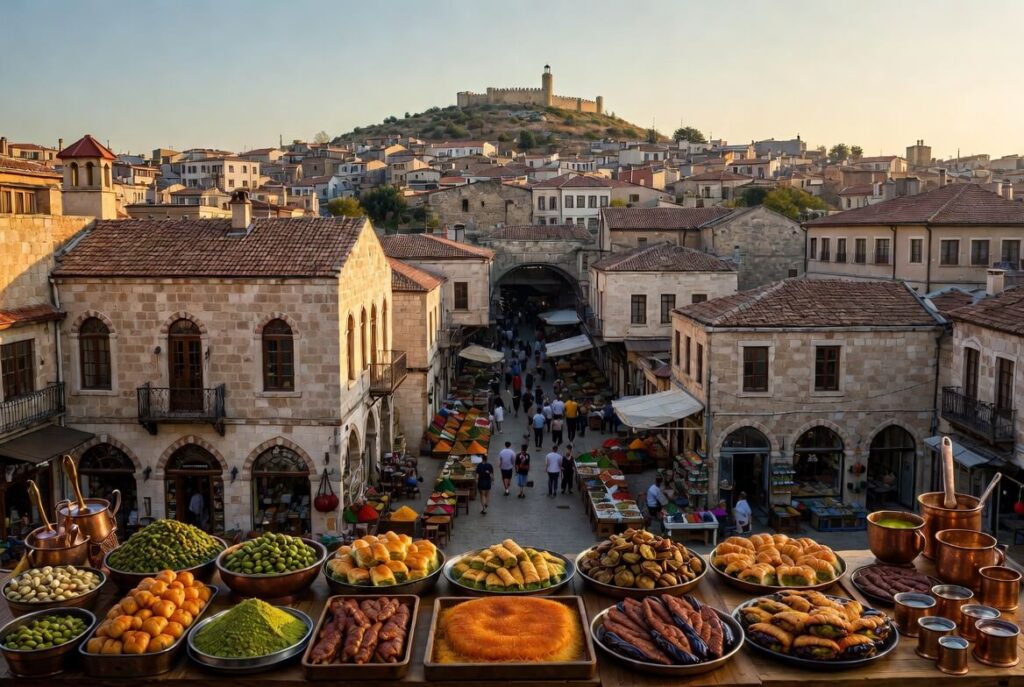
The Black Sea coast produces a cuisine defined by corn flour, anchovies, butter, and foraged greens. The Aegean coast draws on olive oil, wild herbs, and Hellenic culinary influences. The Gaziantep region is characterized by pistachio, lamb, red pepper paste, and Syrian-influenced spice combinations. The Van breakfast tradition in eastern Anatolia — a meal that can extend for two hours and include thirty distinct items including local herb cheese, honeycomb, butter from plateau cattle, and multiple bread types — is considered a cultural institution and has been recognized by UNESCO.
Where to Eat
For authentic regional food, the lokanta is the correct institution. A lokanta is a lunch-service restaurant that prepares a fixed daily menu of home-style dishes from local ingredients. Unlike restaurants oriented toward tourist menus, lokantas serve the people who work and live nearby. They are usually closed by 3pm, which is important logistical information.
Village bazaar days, held weekly in provincial market towns, are the best environments for encountering hyper-local food production: cheeses made that morning, bread from wood-fired communal ovens, produce from small-scale family cultivation, and preserved foods prepared according to generational recipes. Asking your accommodation host for the nearest haftalik pazar date is the single most reliable path to an extraordinary food encounter.
Destination Quick Reference
| Destination | Region | Best Season | Niche Type | Price Level |
|---|---|---|---|---|
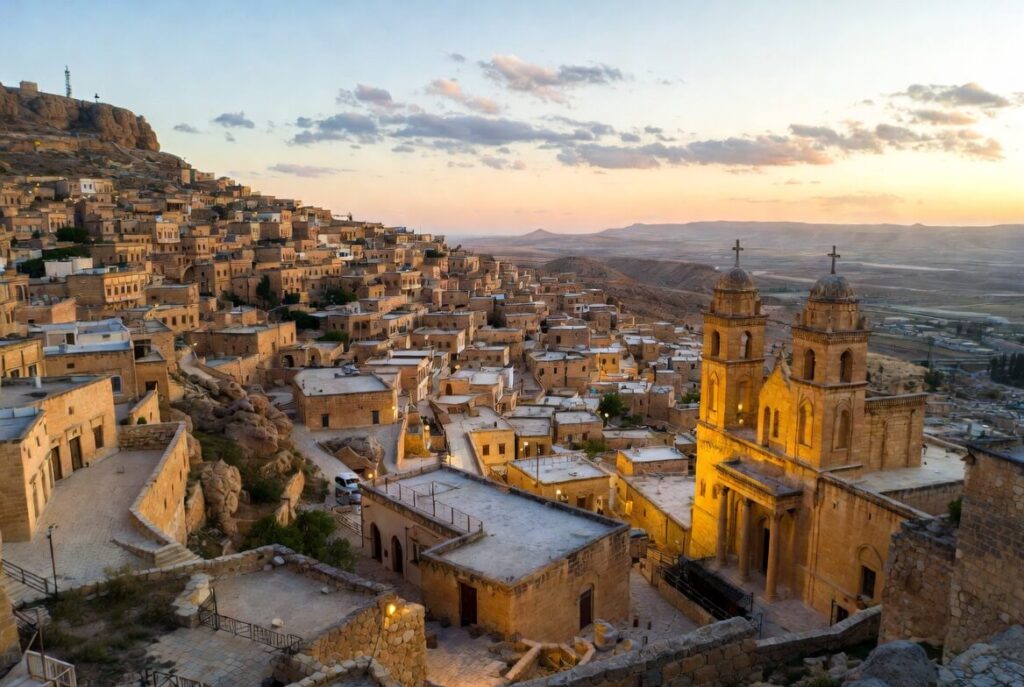
| Mardin | SE Anatolia | Mar-May, Sep-Nov | Cultural, Historical | Affordable |
| Kackar Mtns | NE Anatolia | June to September | Adventure, Eco | Mid-Range |
| Gaziantep | S. Anatolia | October to April | Culinary, Cultural | Affordable |
| Safranbolu | Black Sea | Apr-Jun, Sep-Oct | Historical, Slow | Affordable |
| Hatay | S. Frontier | October to April | Cultural, Culinary | Affordable |
| Eskisehir | C. Anatolia | Year-round | Craft, Slow Travel | Affordable |
Final Note
Turkey is a country that has been misunderstood by mass tourism for decades. The cliches are real but thin, and beneath them lies one of the world’s most complex, layered, and genuinely surprising travel destinations.
The niche traveler who arrives in Mardin at dawn, walks the golden-stone alleyways before the city wakes, eats a breakfast of dried herbs and fresh yogurt in a courtyard restaurant that has occupied the same building for three hundred years, and then drives south toward the Mesopotamian plain with the monastery towers of the Tur Abdin visible on the horizon — that traveler has encountered a Turkey that the brochures have never described and that most visitors never find.
This guide exists to make that encounter possible. Go slowly, listen carefully, eat with curiosity, and leave every place in better condition than you found it.
www.https://journeybyworld.com/europe/paris-travel-guide-2026/
Turkey Niche Travel — Curated for the Discerning Traveler


