



Thailand Travel Guide 2026: Everything You Need to Know Before You Go
From golden temples and tropical islands to street food heaven and vibrant nightlife ; here is your complete, no-fluff guide to planning the perfect Thailand trip.
Why Visit Thailand?
Thailand is one of Southeast Asia’s most beloved travel destinations — and for very good reason. Whether you are a backpacker looking for adventure, a couple seeking a romantic getaway, or a family in search of culture and beaches, Thailand delivers on every front.
Few countries in the world can match Thailand’s combination of natural beauty, ancient history, world-class cuisine, and jaw-dropping affordability. You get temple-studded cities like Bangkok and Chiang Mai, impossibly clear waters around islands like Koh Samui and Koh Phi Phi, and a warmth from the Thai people that makes every traveler feel genuinely welcome.
Known as the “Land of Smiles,” Thailand has a deeply rooted culture shaped by Buddhism, royalty, and centuries of trade. It is a country where ancient traditions coexist with modern city life — where you can have a rooftop cocktail overlooking Bangkok’s glittering skyline at night and meditate in a silent mountain temple the next morning.
💡 Pro Tip Thailand is one of the most accessible countries for first-time solo travelers in Asia. English signage is common, transport is easy to navigate, and the locals are famously friendly and helpful.
Best Time to Visit Thailand
Thailand has three main seasons: cool & dry, hot, and wet (monsoon). The best time to visit largely depends on which region you are going to — but in general, November through February is considered the golden window for most travelers.
Nov – Feb
Cool, dry, and sunny. Peak season. Best for beaches and temples.
Mar – May
Hot season. Great deals. Songkran (Thai New Year) in April is epic.
Jun – Oct
Monsoon season. Heavy rain on Gulf islands. North Thailand is fine.
The Andaman Coast (Phuket, Krabi, Koh Lanta) follows a different monsoon pattern from the Gulf of Thailand (Koh Samui, Koh Phangan). So if you visit during the wet season, you can often switch coasts and still find sunshine.
Top Destinations in Thailand
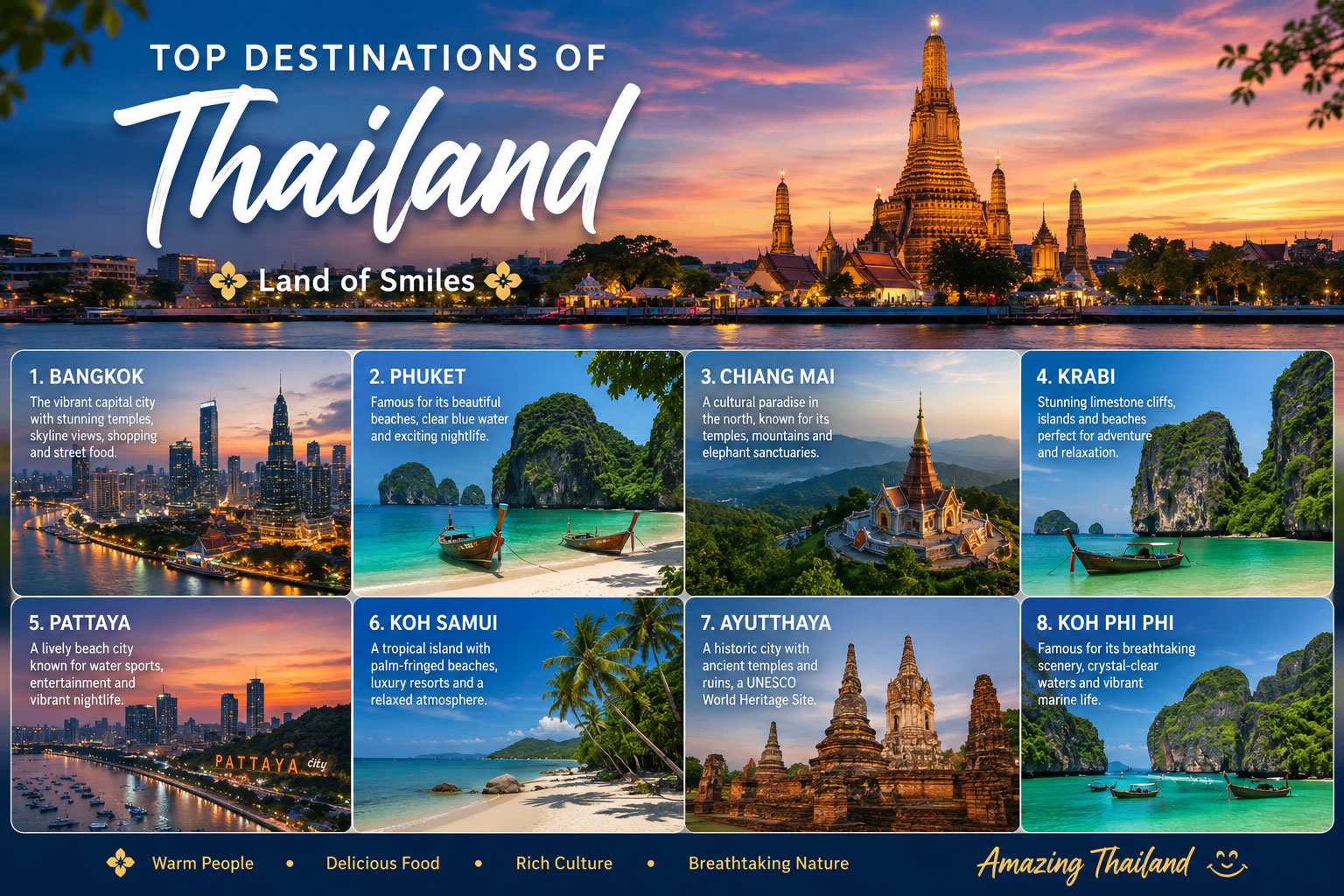
Thailand is a big country with dramatically different regions — from the busy, electric capital to sleepy fishing villages. Here are the must-visit destinations worth building your itinerary around:
Bangkok
The chaotic, electrifying capital. Grand Palace, street food, rooftop bars, and world-class shopping.
Chiang Mai
Northern cultural hub. Ancient temples, elephant sanctuaries, night markets, and jungle treks.
Koh Samui
Gulf island with luxury resorts, beautiful beaches, and a great party scene at Koh Phangan nearby.
Phuket
Thailand’s largest island. Patong Beach nightlife, snorkeling, Phi Phi day trips, and stunning sunsets.
Krabi
Dramatic limestone cliffs, emerald water, and the gateway to Railay Beach — only accessible by boat.
Ayutthaya
Ancient capital just 90 min from Bangkok. UNESCO ruins, floating markets, and quiet canals.
A classic Thailand itinerary combines Bangkok for city life, Chiang Mai for culture, and one or two islands for beach relaxation. Two weeks is the sweet spot to experience all three without feeling rushed.
Thai Food You Absolutely Must Try
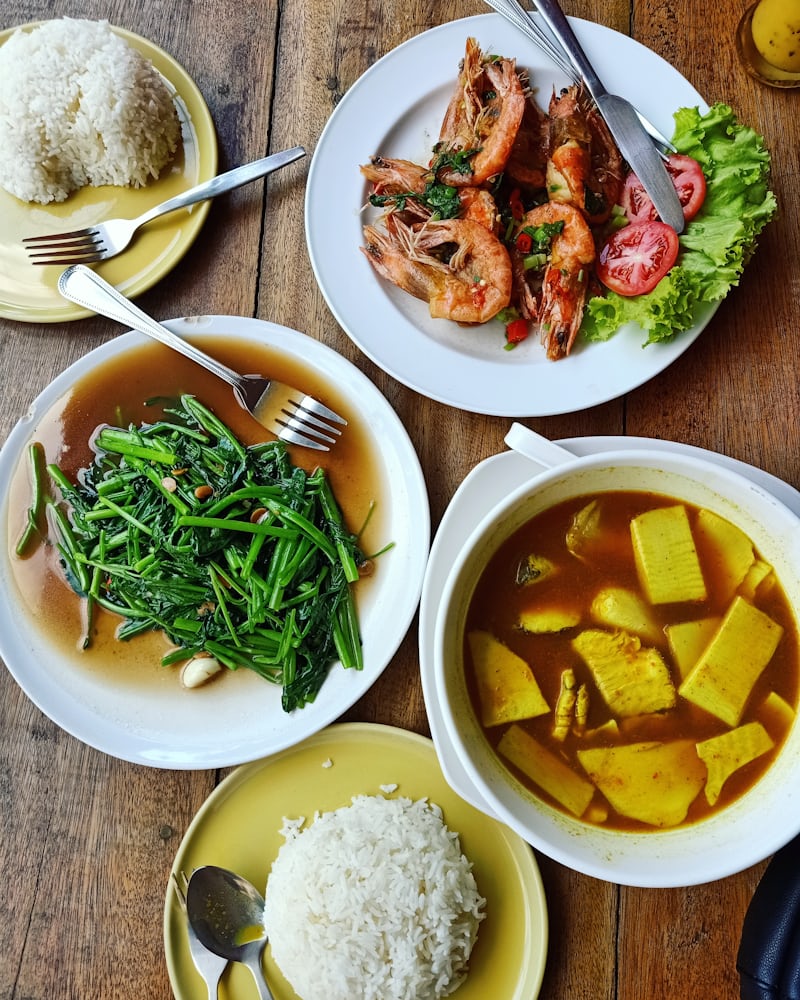
Thai cuisine is celebrated worldwide for its bold flavors — a perfect balance of sweet, sour, salty, and spicy. But no matter how good your local Thai restaurant is, nothing prepares you for eating in Thailand itself. Street food stalls open at dawn, fresh markets overflow with tropical fruit, and even a simple roadside bowl of noodles can be a transcendent experience.
Pad ThaiStir-fried rice noodles with egg, tofu or shrimp, tamarind sauce, peanuts
Green CurryCreamy coconut milk curry with Thai basil and vegetables or chicken
Som TumSpicy green papaya salad with lime, fish sauce, chilis, and peanuts
Tom Yum SoupHot & sour lemongrass broth with shrimp, mushrooms, and galangal
Moo PingGrilled pork skewers marinated in coconut milk and fish sauce
Mango Sticky RiceSweet sticky rice with fresh mango and coconut cream — iconic dessert
🍽️ Food Tip Eat where the locals eat. A plastic-chair street stall with a long queue of Thai people will almost always beat a tourist-facing restaurant at 10x the price. A full meal rarely costs more than 60–80 THB ($1.50–$2.25).
Budget & Daily Costs in Thailand
Thailand is exceptionally affordable by global standards, though costs vary widely based on travel style and destination. Bangkok and the islands tend to be pricier than the north or rural areas. Here is a realistic daily budget breakdown:
| Category | Budget Traveler | Mid-Range | Comfort / Luxury
|
|---|---|---|---|
| Accommodation | $8–$15 (hostel/guesthouse) | $30–$60 (3-star hotel) | $100–$300+ (resort) |
| Food | $5–$10 (street food) | $15–$25 (cafes + restaurants) | $40–$80 (fine dining) |
| Transport | $2–$6 (tuk-tuk/songthaew) | $10–$20 (Grab/day trips) | $30–$60 (private transfers) |
| Activities | $5–$10 (temples, beaches) | $20–$40 (tours, cooking class) | $60–$150+ (private tours) |
| Daily Total | ~$20–$40 | ~$70–$120 | $200–$600+ |
For a 2-week trip (flights excluded), a budget traveler can comfortably manage on $400–$600 total. A mid-range traveler should budget around $1,000–$1,600 for the same period. Read our dedicated Thailand budget travel guide for a complete cost breakdown.
Getting Around Thailand
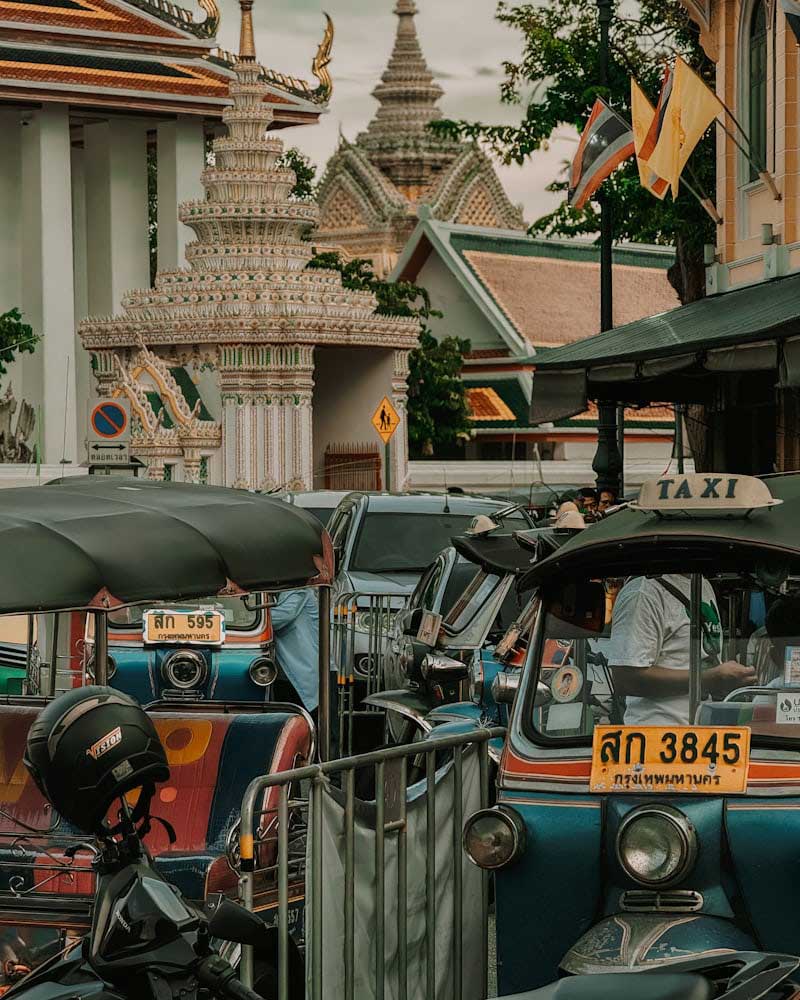
Thailand has an excellent and surprisingly affordable transport network that makes it easy to move between regions. Whether you want the overnight train experience or a quick domestic flight, you have options at every budget.
Transport Options
- Domestic Flights — AirAsia and Bangkok Airways connect major cities cheaply. Bangkok to Chiang Mai from $25 one way.
- Overnight Trains — Scenic, affordable, and fun. Bangkok to Chiang Mai is a classic 12-hour sleeper journey.
- Long-Distance Buses — VIP buses are comfortable and cheap. Great for shorter regional routes.
- Ferries & Speedboats — Essential for island hopping. Buy tickets at piers or through your guesthouse.
- Grab App — Southeast Asia’s Uber equivalent. Use it in all major cities for honest, metered prices.
- Songthaew — Shared red pickup truck taxis common in Chiang Mai and smaller towns.
⚠️ Watch Out Avoid tuk-tuks in Bangkok unless you agree on a fixed price beforehand. Many tourist tuk-tuk drivers work with gem shop or tailor commissions — politely decline any “free tour” offers.
Thailand Visa Information
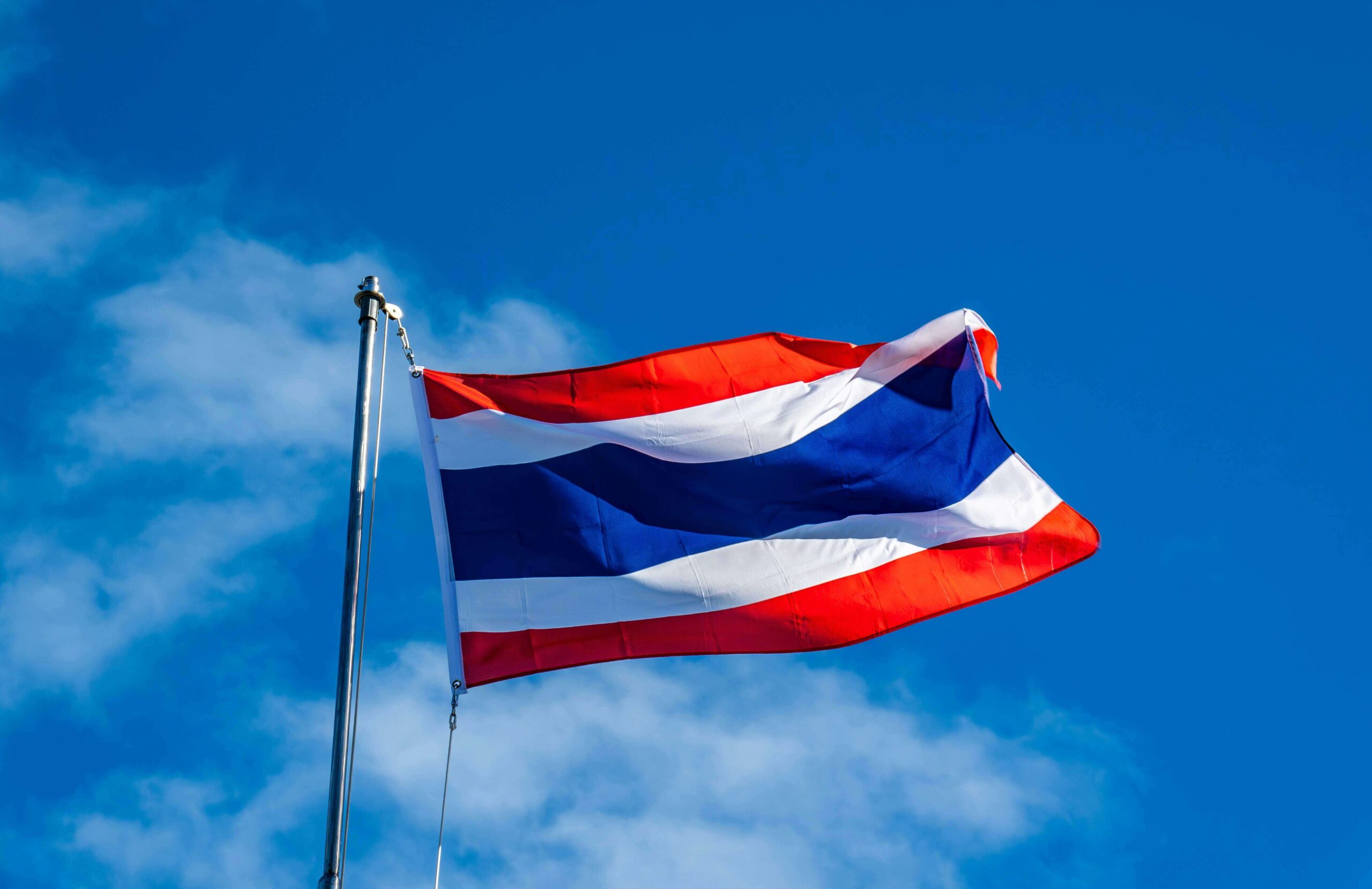
Thailand is one of the most visa-friendly countries in Asia. Citizens from over 60 countries — including the US, UK, EU nations, Australia, and Canada — can enter Thailand visa-free for 30 days (extendable once to 60 days at immigration offices).
If you plan to stay longer, consider applying for a Thailand Tourist Visa (TR) before departure, which grants 60 days and can be extended once. For digital nomads and long-stay travelers, Thailand’s Destination Thailand Visa (DTV) launched in 2024 allows a 180-day stay and is an excellent option.
📌 Important Always enter Thailand by air if possible for visa-on-arrival. Land border crossings have stricter limits. Check the official Thai e-Visa portal for the latest rules before you travel, as policies update frequently.
For a full breakdown of all visa types, costs, and application steps, see our dedicated Thailand Visa Guide.
Culture & Customs to Respect
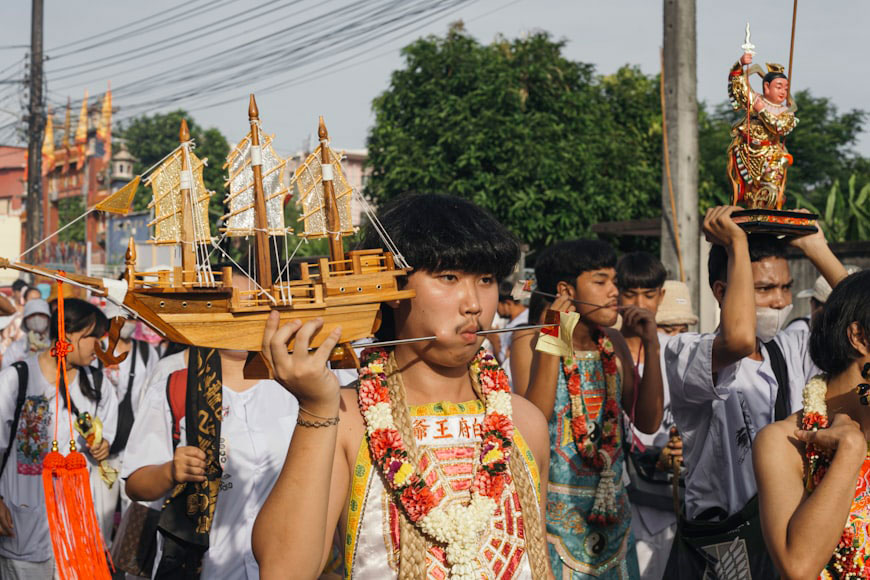
Thai culture is deeply rooted in Buddhism, respect for the monarchy, and a concept called “saving face” — maintaining dignity and avoiding public confrontation. Understanding and honoring these values will make your experience dramatically richer and your interactions with locals far more genuine.
- Always remove your shoes before entering temples, homes, and many guesthouses.
- Dress modestly when visiting temples — cover shoulders and knees. Sarongs are often available to borrow at temple entrances.
- Never touch a Thai person’s head — it is considered the most sacred part of the body.
- Do not point your feet at people, monks, or sacred statues. Feet are considered the lowest and least sacred.
- The Thai Royal Family commands immense respect. Never make critical or disrespectful remarks — lèse-majesté laws are serious.
- Greet people with a “wai” — press palms together at chest level and bow slightly. It is always appreciated.
- Bargaining is normal in markets but always keep it light and friendly. A smile goes a long way.
Safety Tips for Thailand
Thailand is generally very safe for tourists. Violent crime against visitors is rare, and millions of solo travelers — including solo women — explore the country without issues each year. That said, common-sense precautions apply, and a few Thailand-specific scams are worth knowing about before you arrive.
Key Safety Tips
- Beware the “Grand Palace is closed today” scam in Bangkok — it is never closed. Tuk-tuk drivers saying so want commissions from shops.
- Use only metered taxis or the Grab app. Always confirm the meter is running.
- Do not ride motorbikes in busy city traffic unless you are experienced. Motorbike accidents are the top cause of tourist injury.
- Keep a photocopy of your passport and store it separately from the original.
- Travel insurance is essential — make sure it covers medical evacuation, which can be very expensive without it.
- Drink only bottled or filtered water. Tap water in Thailand is not safe to drink.
What to Pack for Thailand
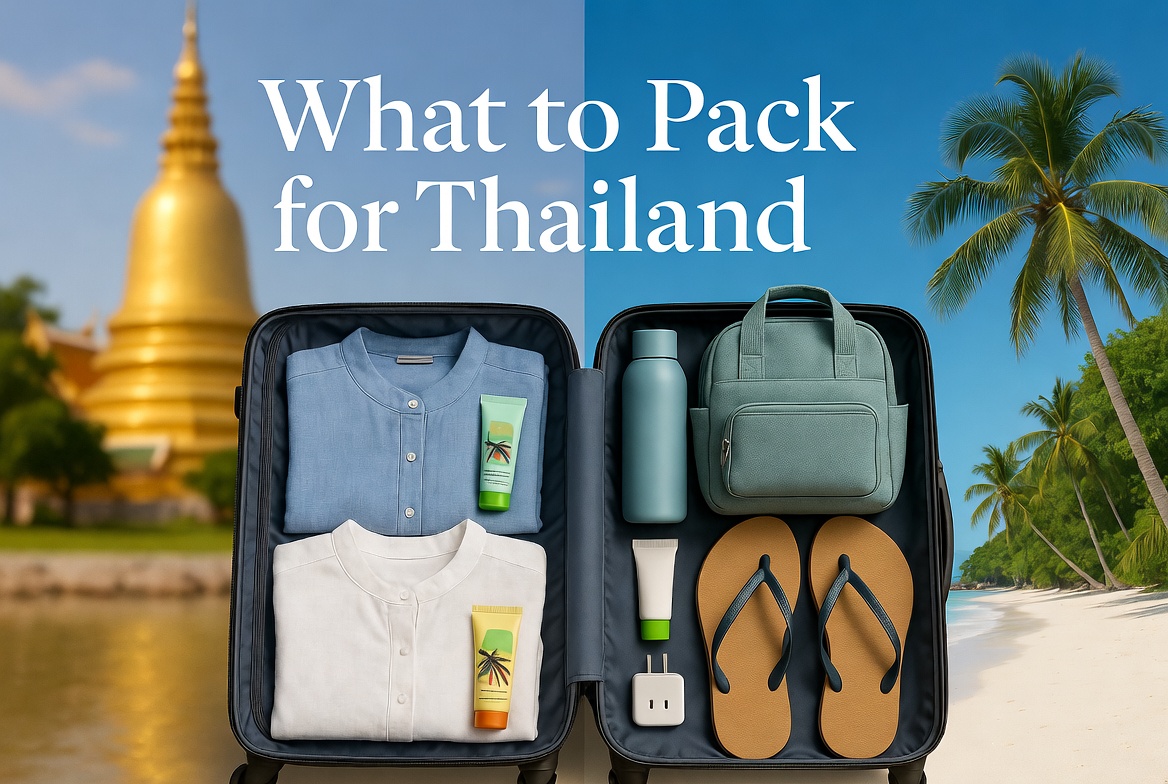
Thailand’s tropical climate and mix of urban, beach, and temple environments means you need a versatile, light packing list. Less is almost always more — you can buy almost anything cheaply in Bangkok or Chiang Mai if you forget something.
- Lightweight clothing — breathable fabrics like linen or cotton. Avoid heavy denim in the heat.
- Temple-appropriate outfit — at least one long-sleeve shirt and trousers or a long skirt for temple visits.
- High-SPF sunscreen — UV is intense. Reef-safe formulas are better for island environments.
- Mosquito repellent — essential, especially in jungle or beach areas at dusk.
- Universal travel adapter — Thailand uses Type A, B, and C sockets.
- Reusable water bottle with filter — reduces plastic waste and saves money long-term.
- Small day bag or packable backpack — for market days, temple visits, and beach trips.
- Flip-flops — you will take your shoes off constantly. Easy slip-on footwear is a must.
Ready to Explore Thailand?
Dive deeper into our Thailand travel series to plan every detail of your perfect trip.
💰 Budget Guide 🗓 10-Day Itinerary 🏝 Best Islands 🍜 Food Guide 📄 Visa Guide


